Audio Bests
Jellyfin is poised to be the top choice for a Plex substitute in 2025, and it's definitely worth your exploration.
Ditch the Extras and Rediscover the Essentials of Home Streaming.
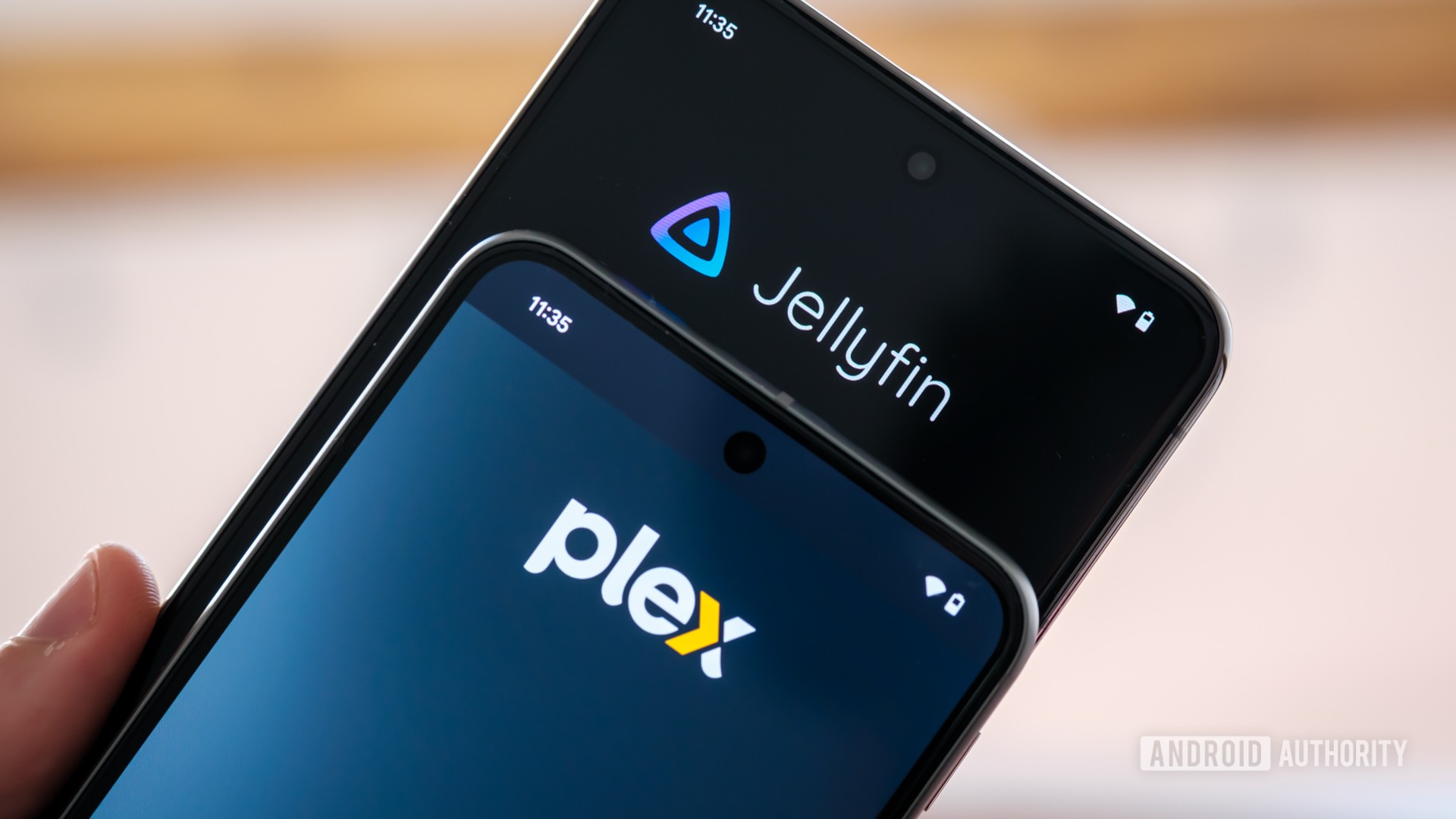
Discovering the World of Self-Hosted Media: Jellyfin vs Plex
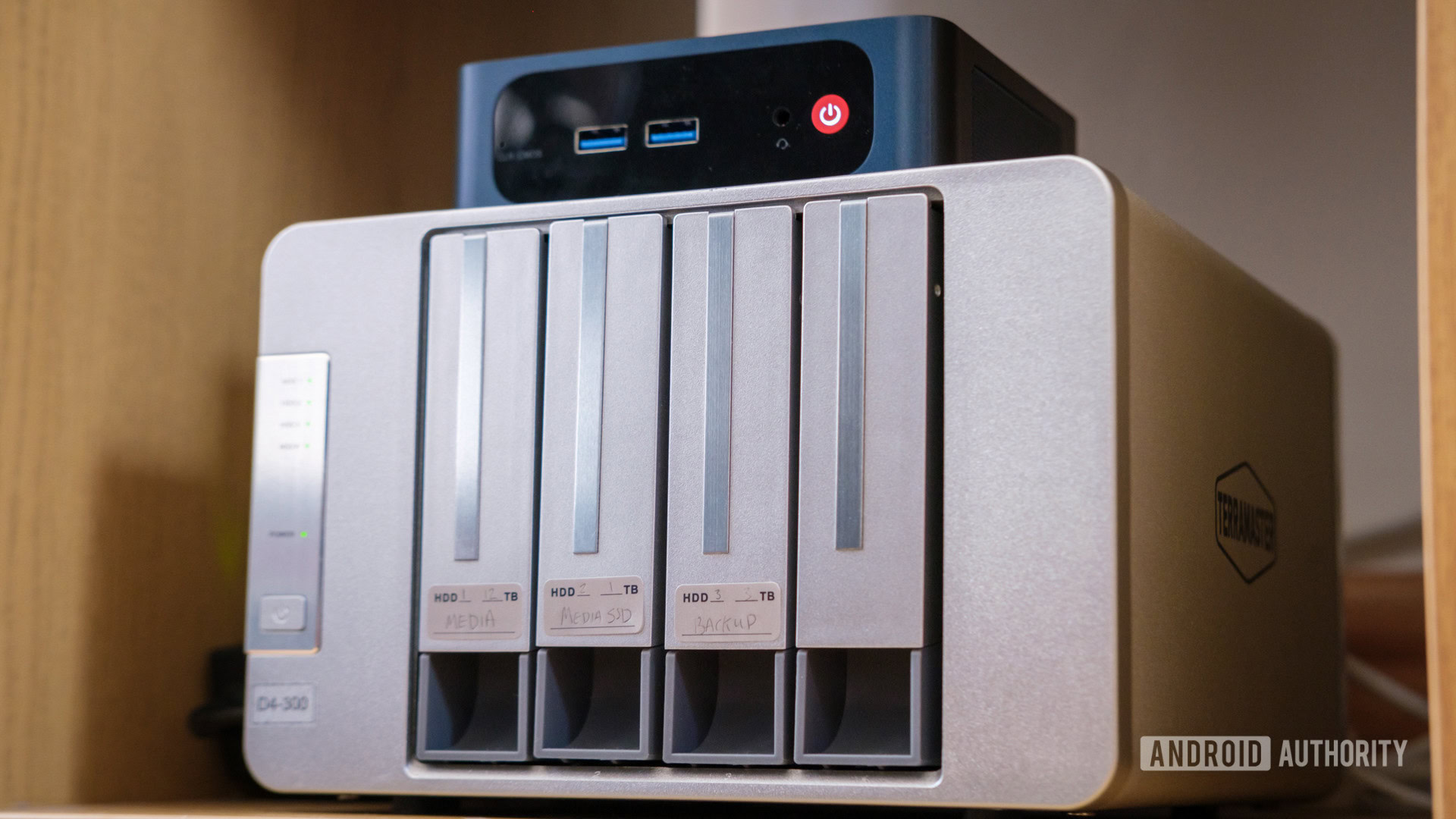
In an age where content streaming services are bountiful yet increasingly convoluted and costly, self-hosting your media collection is gaining traction among those yearning for a return to personal ownership. The allure of having complete control over your digital collection is enticing, particularly as more people opt to forgo the rigid constraints of third-party platforms. Once you secure your sleek Network Attached Storage (NAS) and load it with beloved films and shows, the real challenge begins: what software to use to manage your collection? That’s where the Jellyfin vs Plex debate ignites passionate discussions.
The Juggernaut of Streaming: Understanding Plex
Plex has established itself as a cornerstone of the home media experience, boasting a wide-reaching reputation. However, my recent endeavor to upgrade my DIY NAS led me to reconsider Plex. While it serves as a convenient hub for accessing various types of content, I grow weary of its increasing visibility into third-party sources. Moreover, past security breaches have raised valid concerns about user privacy—something that contradicts the core principles of self-hosting. It seems I’m not the only one searching for a compelling alternative.
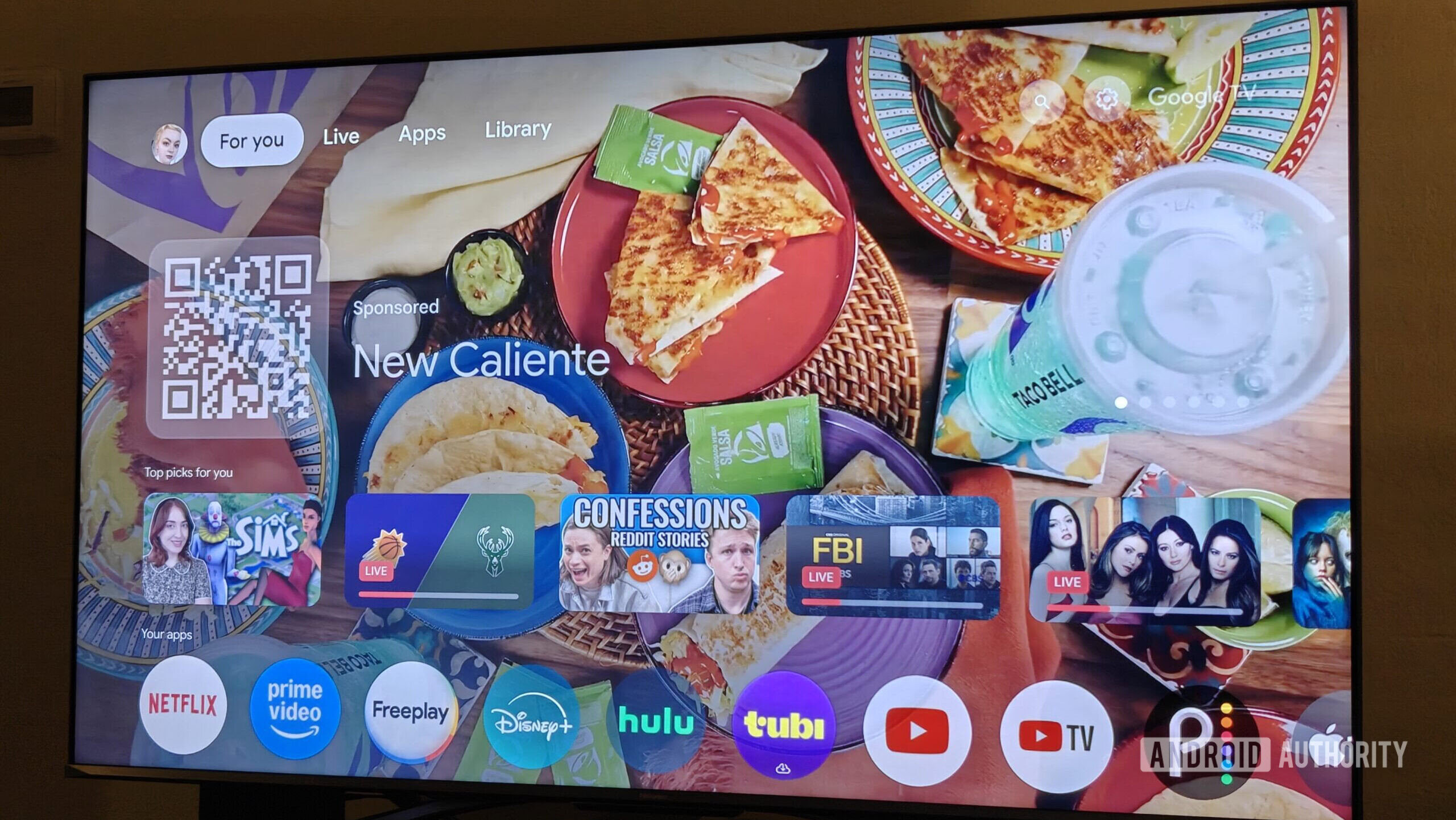
Plex aims to be all-encompassing, striving to cater to diverse user needs. This ambition results in a sprawling feature set that integrates content aggregation, subscription services, and even advertisements. Unfortunately, this approach detracts from the simplicity and pleasure of a straightforward home media setup. The premium pricing for features like transcoding—needed for mobile streaming—is an additional hurdle for those determined to break free from subscription models. While I'm open to investing in exceptional software, I question the necessity of doing so when excellent open-source options exist.
Enter Jellyfin: The Open-Source Challenger
Allow me to introduce you to Jellyfin, a robust self-hosted media server that emerges as a refreshing alternative to Plex and Emby. Notably, Jellyfin is an open-source fork of Emby, which pivoted to a closed development model in 2017. What sets Jellyfin apart is its commitment to remaining fully open and free for all users—no hidden fees or premium tiers in sight.
For those familiar with Plex, the setup process for Jellyfin will feel familiar. The server software can be installed on your NAS or PC, effortlessly streaming your curated media library to various client devices, from smartphones to TVs. It operates seamlessly on your home network and can be configured for remote access. With Jellyfin, you simply direct it to your media files, and it takes charge of everything from tracking user engagement to providing metadata and subtitles.
If you want to expand your media server's functionality even further, Jellyfin offers a selection of third-party plugins that enhance its capabilities. This includes integrating with Kodi, customizing themes, or even enjoying comic book reading—providing users with even more personalization.
Jellyfin vs Plex: The Key Differences
The central discussion around Jellyfin versus Plex revolves around their scope and client support. While Jellyfin zeroes in solely on hosting your personal media library, Plex casts a wider net, prioritizing added features for content aggregation and advertisements. With Plex, you’re presented with an array of options designed to enhance your viewing experience, but this complexity comes with a cost—literally. Opting for a Plex Pass to unlock features can range from $4.99 monthly to an annual fee of $39.99, not to mention higher lifetime membership costs.
On the other hand, Jellyfin stands as a no-nonsense solution. It’s tailored for those seeking a straightforward media server without unnecessary frills. While setting up Jellyfin may require a bit of technical tinkering, especially for remote access, its core setup is user-friendly and devoid of paywalls. This makes it particularly appealing for those looking to maintain a simple but effective media server environment.
Getting Started with Jellyfin
Starting with Jellyfin is an exciting endeavor. First, you’ll need to download and install the server software on a supported platform like Windows, macOS, or Linux. My recommendation is to utilize Docker for installation, as it streamlines the update, backup, and migration process. Once the server is up and running, accessing it through a web interface is a breeze. Just enter the local IP address and proceed with the user-friendly setup wizard to create your media libraries.
After the setup is complete, connecting your client devices requires downloading the appropriate Jellyfin app for your software. Simply input the server’s IP address, and voila! Your entire media library is at your fingertips. However, for those planning to access Jellyfin remotely, a bit more configuration is necessary—consider a VPN for secure access, or set up a reverse proxy to handle incoming traffic securely.
The Verdict: Is Jellyfin Right for You?
In conclusion, my decision between Jellyfin and Plex was straightforward, and my recommendation leans heavily towards Jellyfin for most users. While the enticing features and polished interface of Plex hold undeniable appeal—especially for users who want to merge personal and streaming content—the lack of financial barriers and commitment to user privacy in Jellyfin make it the winner for self-hosted media enthusiasts. With Jellyfin, you gain a fabulous media experience that doesn't come wrapped in strings. Unless you’re deeply entrenched in Plex’s ecosystem, switching feels like an opportunity to embrace a better—and more private—media world.