Mobile Bests
This keyboard case turned using my Pixel 9 into a painful experience—yet I find it hard to resist typing with it.
Old Memories Pull at the Heartstrings, Yet Some Treasures Are Best Forgotten.
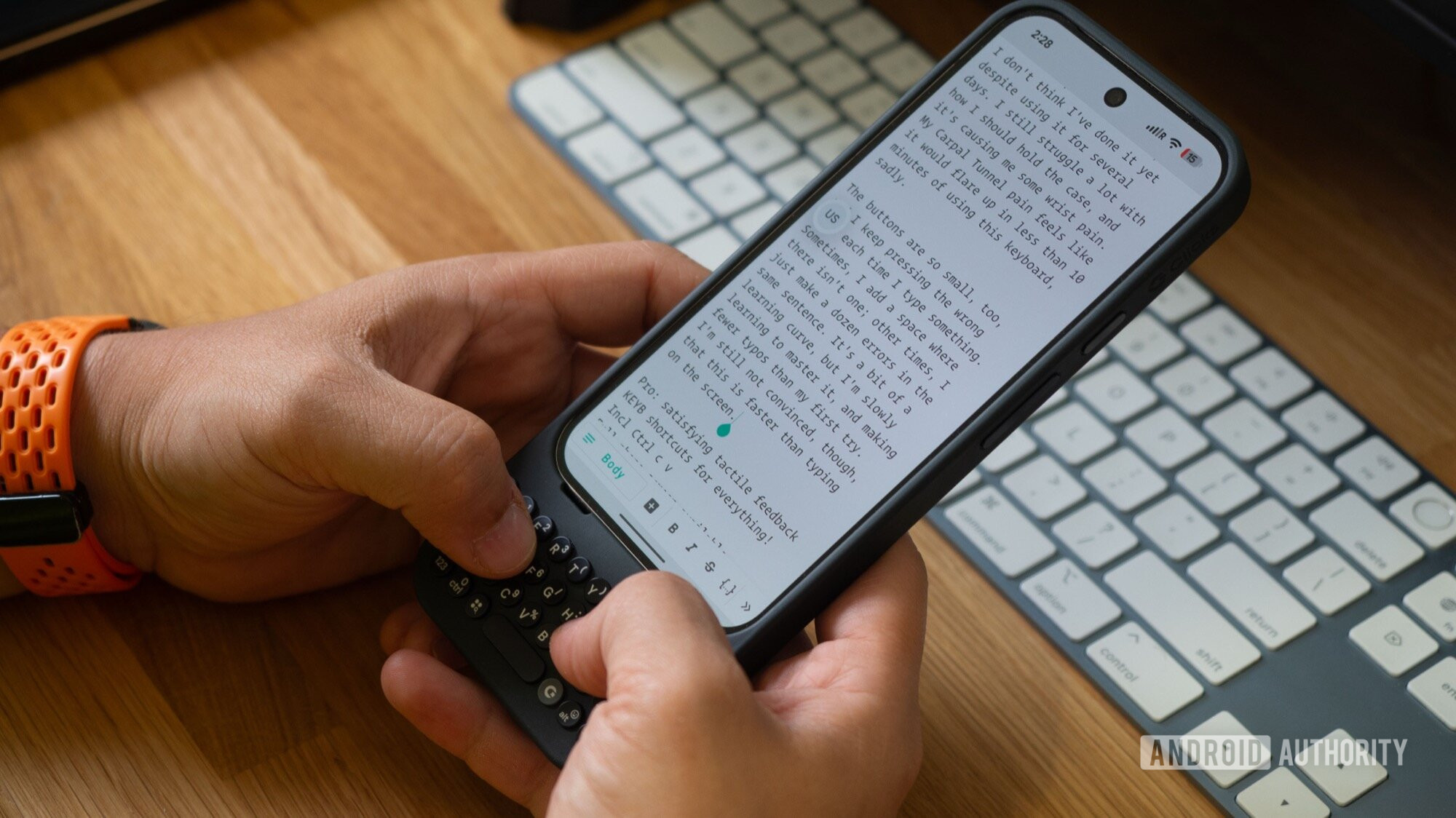
The Resurgence of Physical Keyboards: A Journey with Clicks for Pixel 9 Pro
Having been a devotee of non-touch smartphones, my fondest memories hark back to my first smart device, a Nokia 3250 Xpress Music. With its splendid T9 keypad, I felt empowered. My introduction to QWERTY came through the HTC Qtek 9100, a model that ran Windows Mobile and offered physical keys that made typing enjoyable. The tactile responsiveness of pressing keys resonated deeply with me for years, allowing me to confidently type without glancing down, especially during tedious college lectures. Despite experimenting with various Blackberry models, I perpetually gravitated towards Nokia phones, with the E71 standing out as the ultimate QWERTY device—a benchmark that the rest could hardly match.
Embracing Change: A Skeptical Leap into Touchscreens
The late 2000s marked a significant technology shift with the arrival of all-touch smartphones, an evolution I initially met with strong skepticism. I grieved the absence of tactile feedback and the joys that came with physical keyboards, but adaptation was necessary. Despite a slow start for touchscreen keyboards, Google's Gboard finally won me over in 2016, and nine years later, the thought of physically pressing keys feels as nostalgic as a long-lost dream. Yet, when Clicks released a keyboard case for the Google Pixel 9 and Pixel 9 Pro—complete with four rows of keys—I realized it was time to revisit my cherished QWERTY roots and see if physical keyboards still had a place in 2025.
A Bumpy Start: First Impressions of Clicks
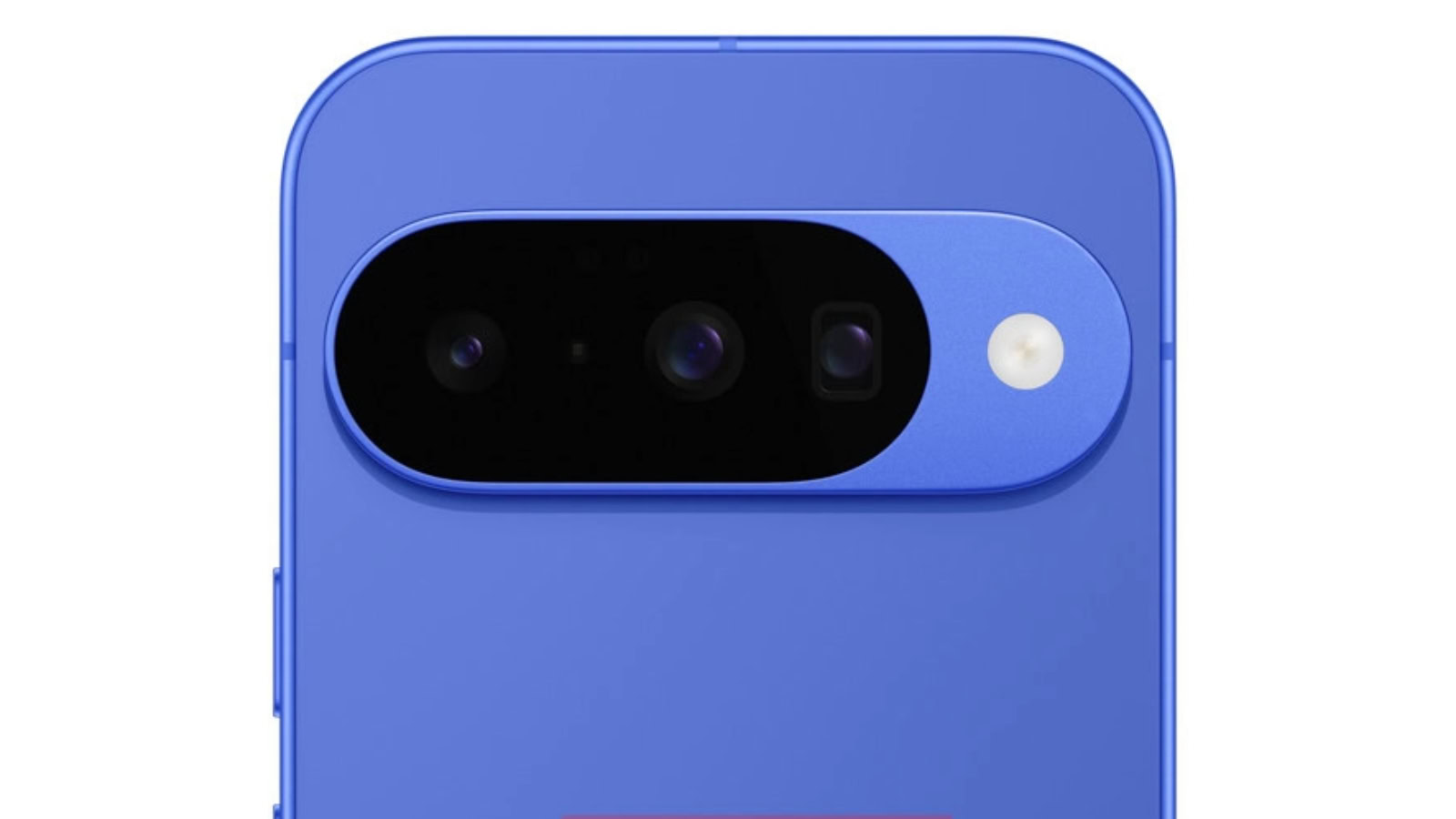
Upon slipping my Pixel 9 Pro into the Clicks case, I immediately sensed I was in for a challenging ride. Transforming Google’s compact phone into a more substantial device felt strange; the additional 4cm made the phone feel top-heavy and unwieldy. For someone like me dealing with Carpal Tunnel issues, using the keyboard was physically taxing, leading to pain that interrupted my experience. The moment I attempted to type, my hopes were dashed. While the keys shared the same width as Gboard’s touch keys, their height was shorter, compelling me to adjust and rethink my entire typing method. I hit the wrong keys frequently, accidentally pressed two letters at once, and consistently added spaces in unintended places, longing for the reliability of the Gboard touchscreen.
My expectations were that mastering this keyboard would be straightforward—like riding a bike. Yet, after more than an hour fumbling with it, I found myself struggling more than ever, filled with regrets for my earlier touchscreen reliance. What compounded my frustration was the need to reach for the display continuously to reposition the cursor every time I made a mistake. Accustomed to swiping on Gboard's spacebar for easy navigation, I often found myself wistfully longing for its simplicity. The lack of arrow keys made cursor repositioning a chore, and while Android offers pointer/arrow modes, they were misaligned on the Clicks layout.
Adjusting to New Typing Habits
As days turned into weeks, a glimmer of hope began to shine through the frustrations I initially faced. While I wouldn’t call myself an expert with the Clicks keyboard just yet, my typing had improved. I began to embrace its tactile feedback; the satisfying click of each key brought a nostalgic charm back into my life. I gradually became familiar with the layout, learning how to strike the keys without making as many mistakes. Though the keys still felt somewhat cramped, I started to tap away with greater confidence and speed, reaching a stage where I could almost type without looking. Perhaps with a bit more practice, I could achieve that elusive skill of blind typing, a thought that felt like a small victory considering the obstacles I initially faced.
Adapting to the modified stature of the Pixel 9 Pro also proved manageable. Though the imbalance persisted, causing discomfort, my wrist pain had notably diminished. While prolonged typing remained challenging, someone without wrist issues might find joy in the experience, revealing the keyboard’s potential joy for others.
The Hidden Advantages of the Clicks Experience
Despite the challenges, one might wonder why I persevered with the Clicks case when I could conveniently revert to using my Pixel in its original form. The answer lies in two major benefits. Firstly, the physical keyboard liberates my screen. No longer do I sacrifice my display space when typing, as I can see more context in chat applications or writing platforms, thus increasing efficiency. This newfound freedom translates seamlessly across various apps, enhancing my overall usability experience.
Secondly, Clicks opened up a world of shortcuts I had never fully explored. With improvements in Android's compatibility for external keyboards, I discovered the ease of utilizing shortcuts for multitasking and app navigation. The convenience of quickly accessing features like emoji menus and clipboard commands transformed how I interacted with my device. While getting accustomed to these shortcuts necessitated some learning effort, the benefits were undeniable, particularly the ability to effortlessly launch applications or manage notifications.
Final Thoughts: A Love-Hate Relationship with Clicks
Deep down, the part of me that thrived in the early days of T9 and QWERTY systems yearns for a successful relationship with the Clicks keyboard case. Ideally, it should serve as a perfect bridge between nostalgia and modern convenience. However, the reality reveals the stark contrast of the current smartphone landscape. As much as I cherish physical keys, it’s evident that the software improvements in touch typing often surpass the need for tactile feedback.
While the Clicks keyboard case shines in its design, tactile response, and enhanced access to shortcuts, I must compel myself to recognize that typing speed and ease still elude me. For anyone seeking an authentic physical keyboard experience on the Pixel 9 Pro, the Clicks may indeed be the finest option available. Just be prepared for the trade-offs it necessitates.
- Pros include: Full QWERTY layout, stunning tactile feedback, enhanced keyboard shortcut support, and MagSafe compatibility.
- Cons include: A cramped typing experience, phone imbalance, absence of arrow keys or a dedicated number row, and no measurable typing speed enhancements.