Mobile Bests
Transitioning from iPhone to Android? Discover 10 key aspects to anticipate.
Discover the Exciting Journey Ahead with Team Green!
The Android Awakening: Embracing a New Phone Experience
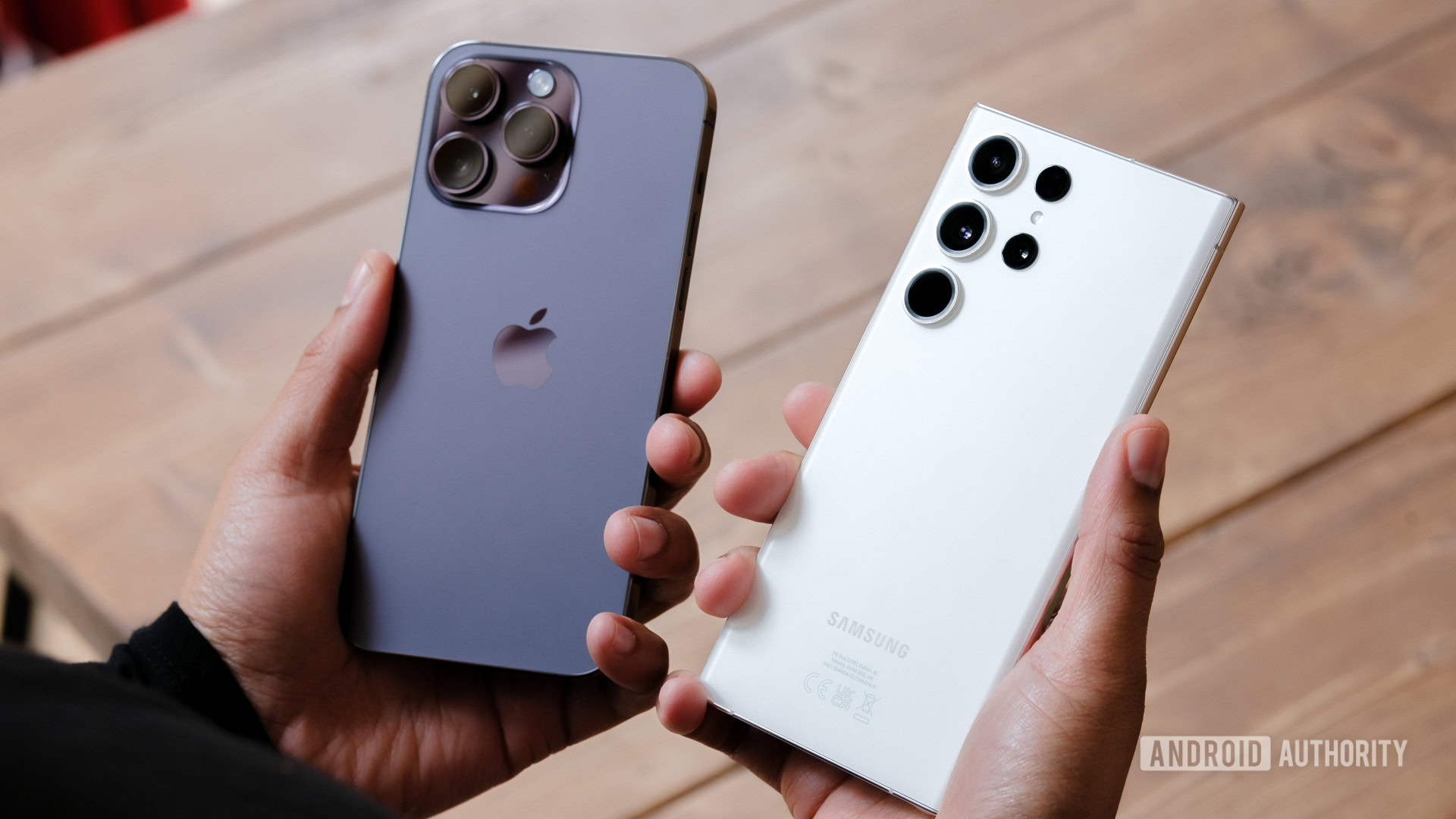
In recent years, Apple has continued to launch impressive iPhones that push the limits of technology. However, the Android realm has evolved dramatically, matching Apple in nearly every area while often coming at a more budget-friendly price point. If you find yourself considering the leap from iPhone to Android, here's a lively overview of the advantages and disadvantages that await you. For a detailed walkthrough, be sure to check out our comprehensive guide for switching from iPhone to Android, or our tips for those moving in the opposite direction—no judgement here!
A World of Choices in Android
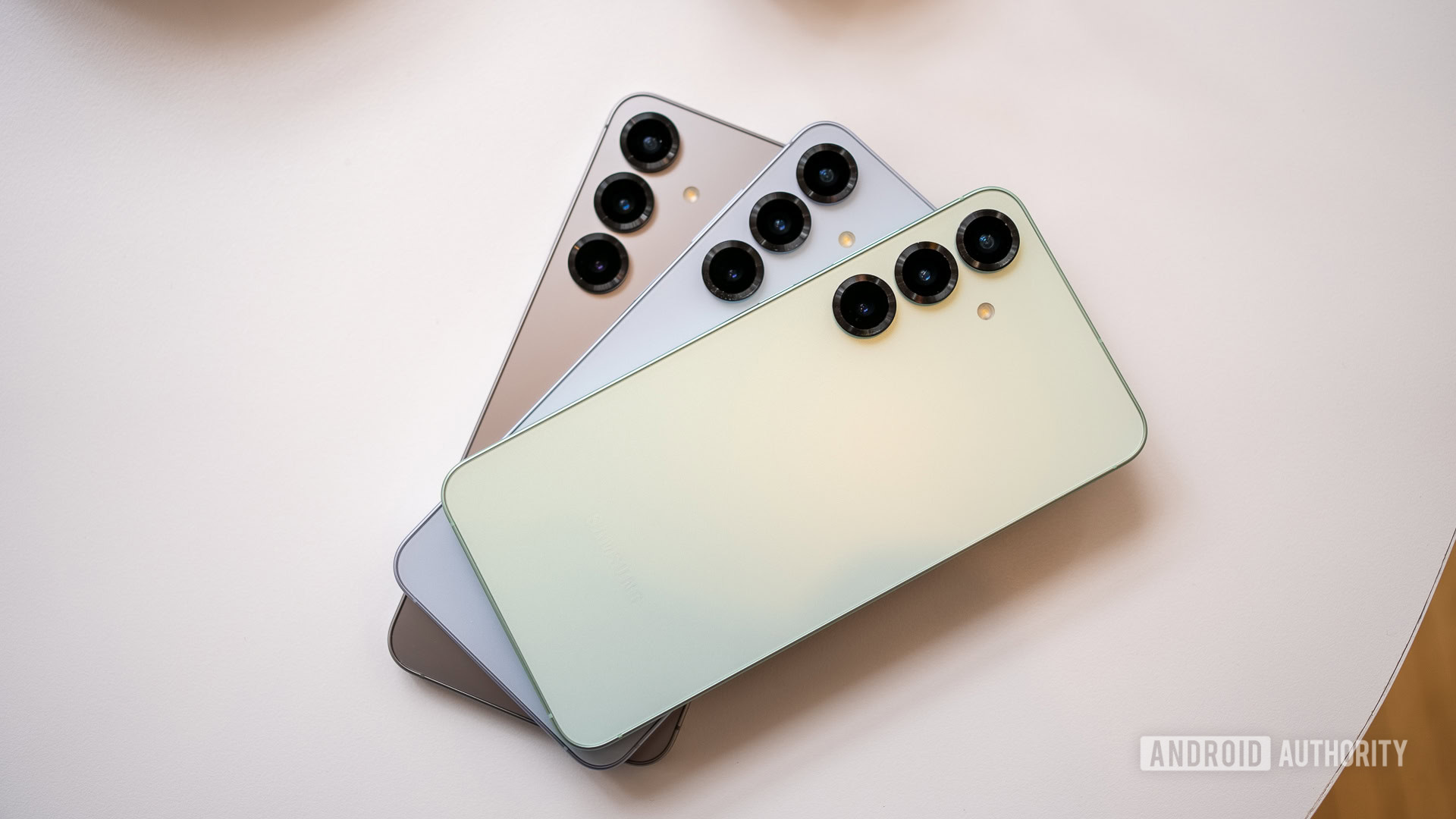
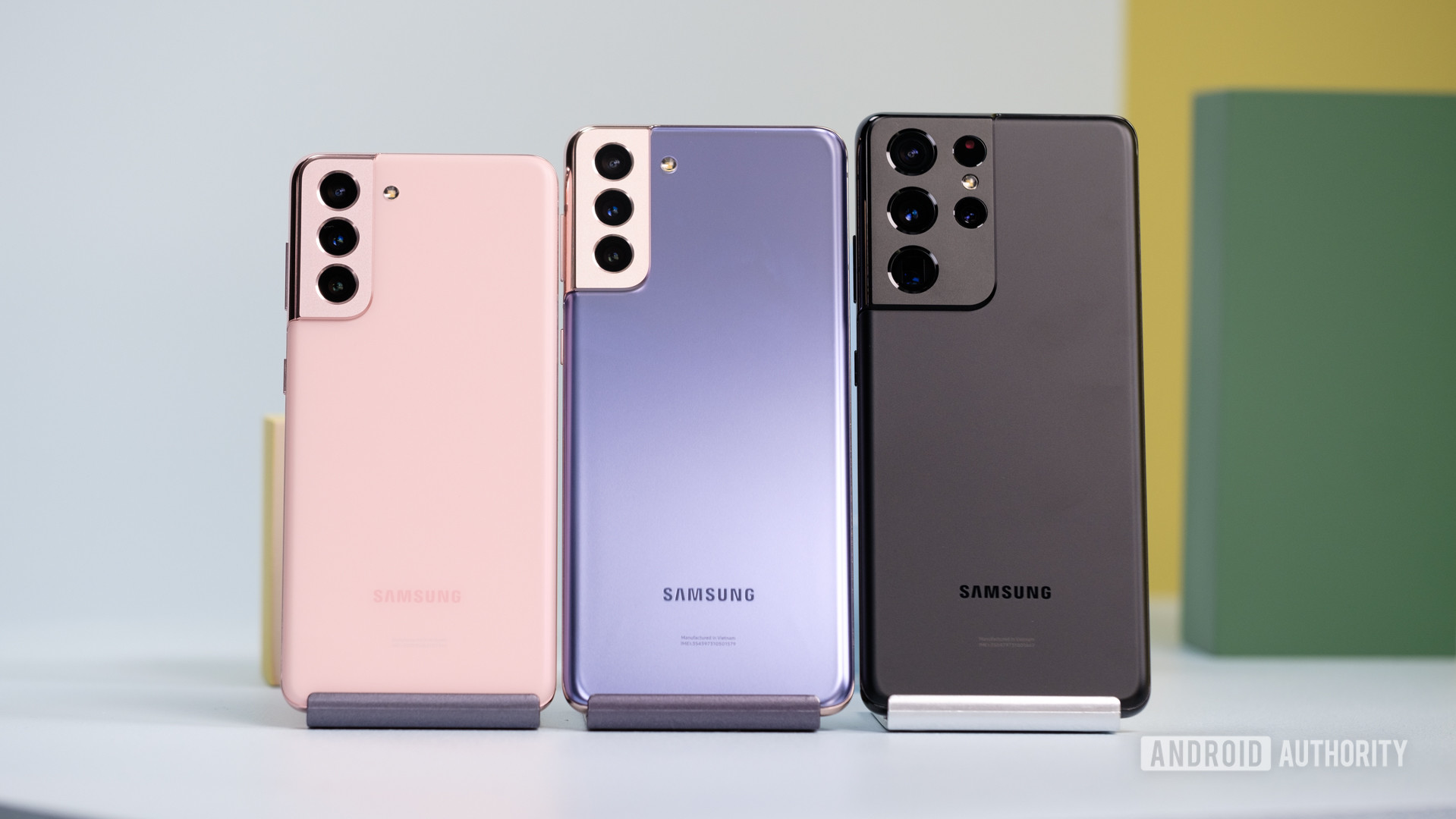
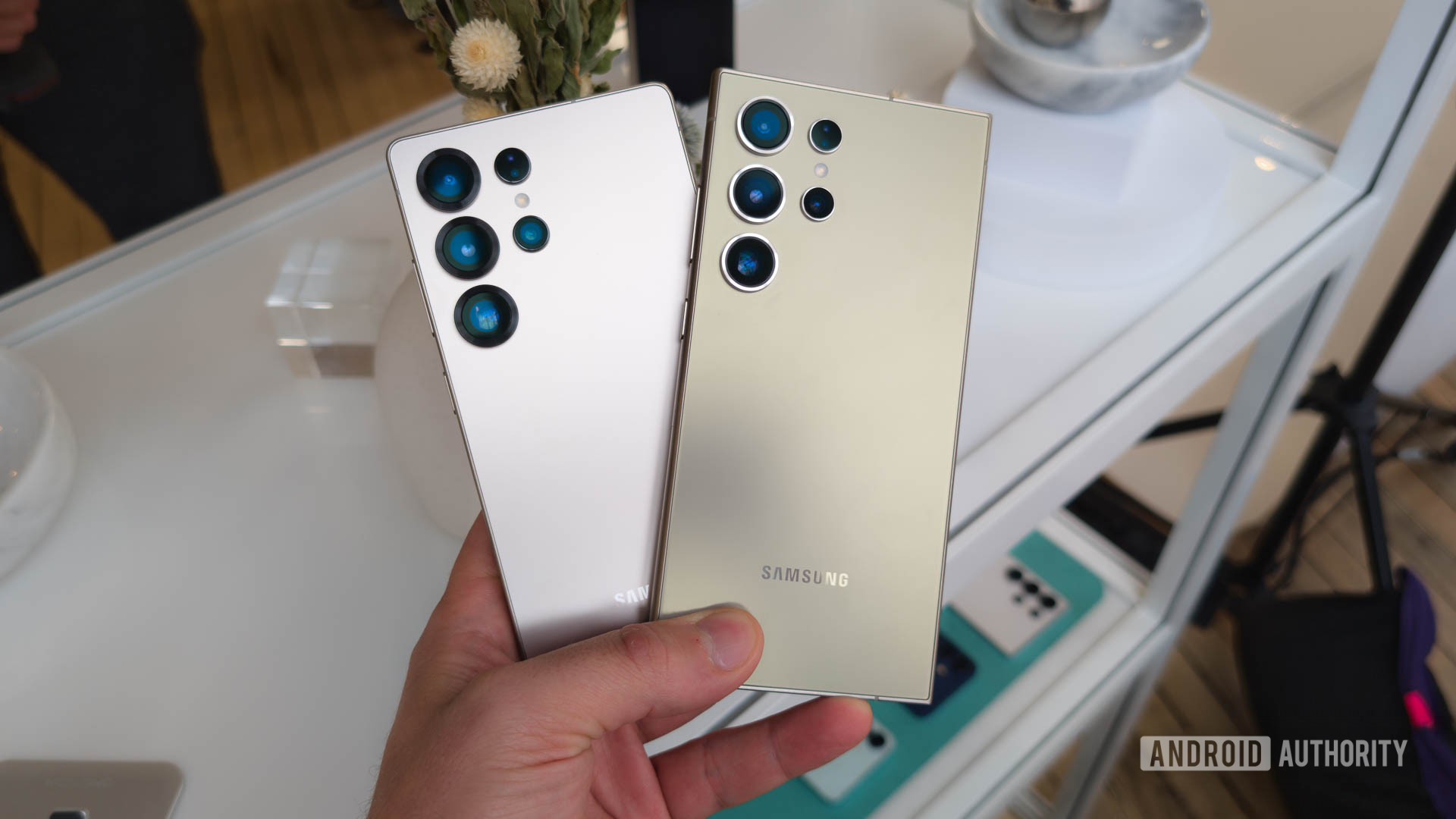
The moment you step into the Android market, you’ll encounter a dazzling array of brands and devices, unlike the uniformity seen in Apple’s iOS. While Apple asserts strict control over its operating system and the App Store, Android provides flexibility to manufacturers to innovate and decorate their devices according to their vision. This means that a Samsung Galaxy, for instance, offers a uniquely distinct experience compared to a Xiaomi phone, despite both running on the Android platform.
Here’s a brief rundown of the major variants of Android:
- Stock Android: This is the pure version of Android, offering a fast and secure experience with minimal bloat. However, it's rare to find phones shipped with it.
- Google Pixel UI: Known for its clean interface, this version delivers a close-to-stock experience but introduces exclusive features primarily designed for Pixel users.
- Samsung One UI: As the most prominent Android variant, One UI is packed with options, catering well to power users though it may feel overwhelming to newcomers.
- Xiaomi HyperOS: The 2023 innovation from Xiaomi enhances integration across smart devices, making it a solid choice for users already in the Xiaomi ecosystem.
- OPPO Color OS: Color OS boasts extensive customization and personalization options, although it introduces significant bloatware.
Unleashing Customization Potential
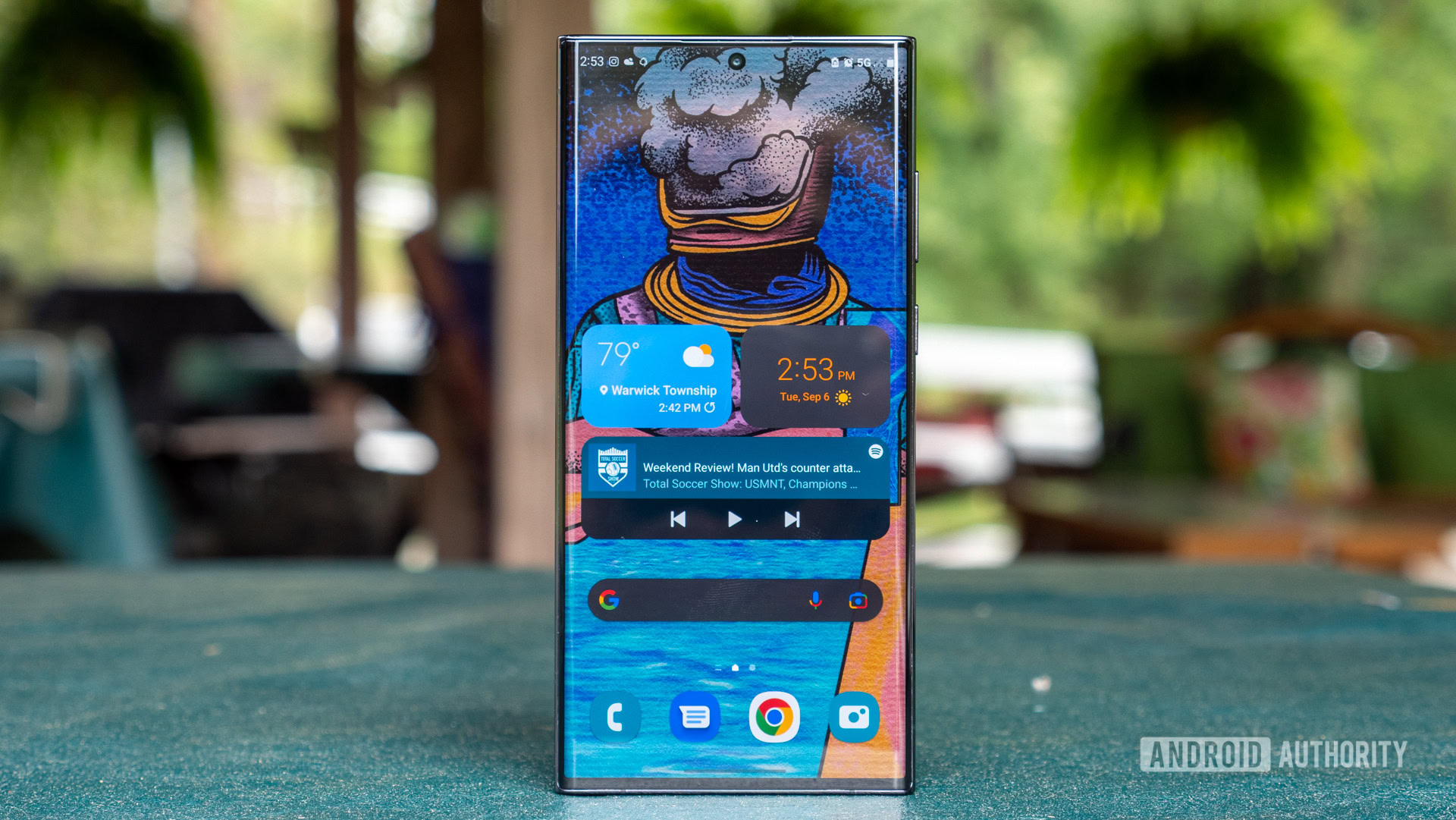
One of the most exciting aspects of switching to Android is the vast scope for personalization. You can tweak almost every visual detail of your phone—ranging from gesture controls to entirely new themes and designs. If you opt for a Samsung device, it's a breeze with Samsung Good Lock, an application that lets you adjust various features from one central place.
Even if you prefer to keep things simple, changing your home screen layout with unique widgets and customizable icons becomes an enjoyable way to express yourself—something iOS has only recently started to catch up with. And with endless customization apps available in the Google Play Store, Android allows you to elevate your device in ways that iOS simply doesn't.
Technical Intricacies
The flip side of having such extensive customization capabilities is that Android can get a bit tricky. Unlike iOS, where you can find all settings neatly organized in the Settings app, Android permits third-party apps to modify settings. Consequently, you may find yourself on a scavenger hunt to locate specific features.
The positive aspect of this complexity is that power users have the ability to tweak their devices extensively. Still, for average users, it might feel daunting compared to Apple’s clear-cut interface. It’s a bit like flying a plane; while anyone can hop into the cockpit, mastering controls takes practice!
Seamless Integration with Your World
If you’re embedded in the Apple ecosystem, the seamless integration of iPhone with other Apple devices is undoubtedly a strong point. But for those who value flexibility and cross-device compatibility, Android shines with its open approach to software. Google services such as Gmail and Drive can be accessed on virtually any device, making them suitable for a diverse range of ecosystems.
Moreover, Android users usually rely on open communication apps like WhatsApp or Telegram, avoiding the isolated environment that iMessage users encounter with users on other platforms. When it comes to hardware compatibility, most Android devices work with a range of smartwatches and accessories, though features may differ between brands.
A Breadth of App Choices
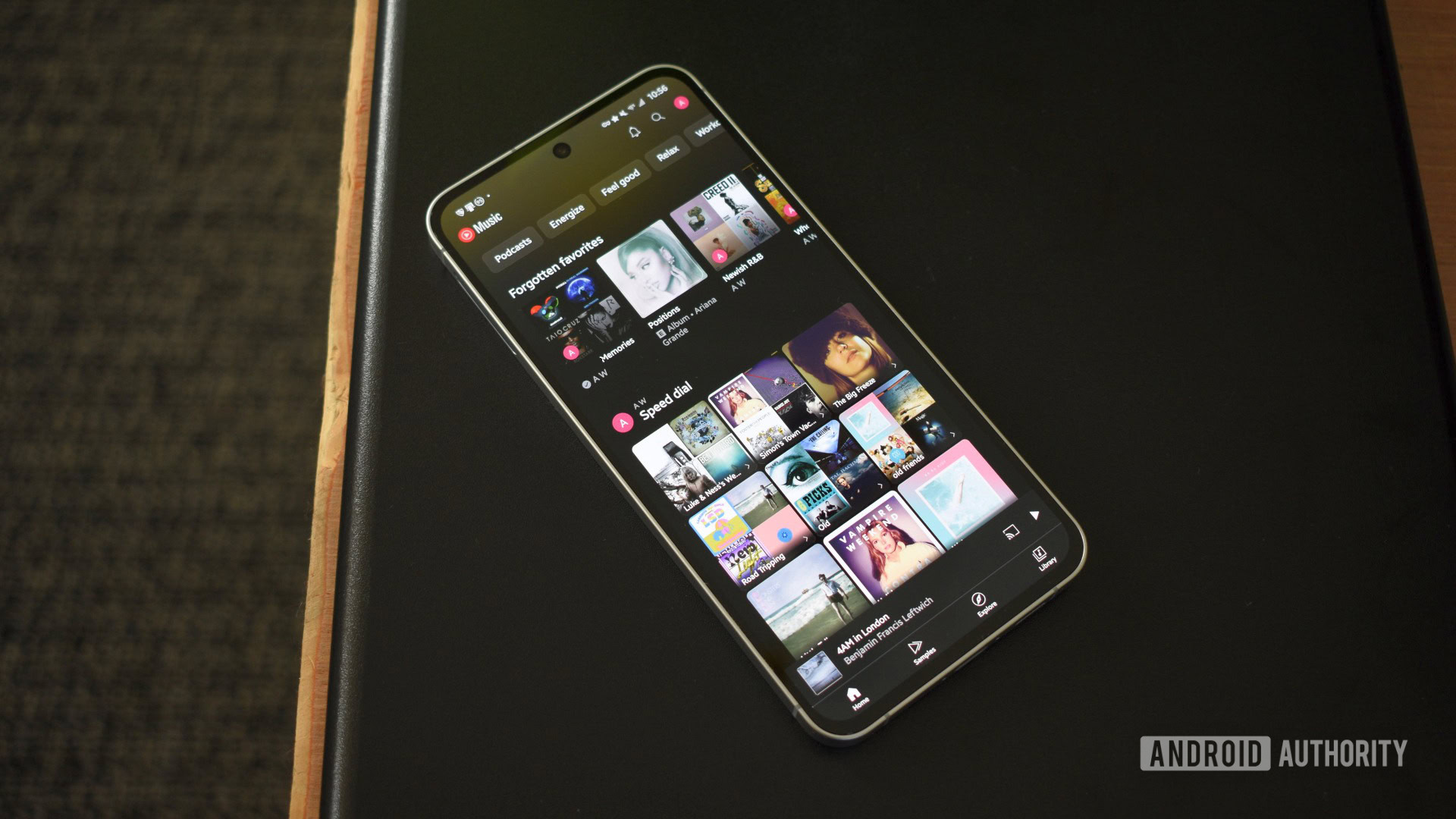
One of Android’s greatest strengths lies in its app selection. Thanks to a more lenient app submission policy, you have a wealth of apps at your fingertips. From highly specialized tools to retro gaming emulators, the diversity on Android is staggering. Plus, with the ability to sideload APK files directly, you can install apps without relying solely on the Google Play Store.
This, of course, raises concerns about security for those used to Apple's curated App Store, but as long as you choose reputable sources, you can enjoy safer alternatives. Additionally, alternative app stores like the Amazon Appstore open yet another door to discovery.
Navigating the App Discovery Labyrinth
The downside to all this variety is the challenge of app discovery. While Apple makes it easy to find excellent apps through curated lists, the Google Play Store can be cluttered with ads, often pushing the best apps down the list. For first-time Android users, this can be a source of frustration, but fear not! Exploring online resources and curated lists can help you uncover those hidden gems.
Faster Charging Regulations
When it comes to battery charging, Android phones are racing ahead. Even if Apple has started adopting USB-C, it’s still lagging in charging speeds. Many Android phones, like the Samsung Galaxy S23 Ultra, offer significantly faster charging. Imagine topping off your phone in less than an hour or, with devices supporting SuperVOOC technology, fully charging in 30 minutes!
Just be wary; while rapid charging is a boon for convenience, it might affect your battery's lifespan. Smart charging features can help manage longevity, ensuring your new Android phone stays in peak condition.
Assessing Performance Consistently
Despite some enormous advancements, Apple remains a leader in performance. iPhones maintain optimized performance, ensuring durability for the long term. However, Android phones have made substantial strides. New chips like Qualcomm's Snapdragon 8 Gen 2 bring enhanced performance to flagship models.
Even with increased competition, older Android models may not keep pace with newer iPhones due to the variability in hardware specifications across devices. Nevertheless, whether you need a gaming powerhouse or a versatile camera, there's an Android device that will meet your needs without compromising on performance.
Accessory Economics
If you’ve ever felt the pinch of purchasing accessories for an iPhone, rest assured that the competitive Android market offers more reasonably priced alternatives. While premium first-party accessories exist in the Android ecosystem, the range of third-party accessories is also vast and generally much more affordable.
If you're on the lookout for excellent accessories—be it chargers, cases, or headphones—Android Authority provides reviews and recommendations to help you navigate these choices effectively.
Understanding Resale Value Dynamics
Finally, let’s talk resale values. If you’ve traded in your iPhone, you might have received a pretty penny for it, but the same can’t be said for most Android devices. iPhones historically maintain their value well over time, making it a challenge when it’s time to upgrade.
However, the advantage here is that you probably didn’t pay full retail for your Android phone, as they frequently go on sale. The market offers the chance to snag excellent secondhand devices at enticing prices, ensuring that you can enjoy cutting-edge technology without breaking the bank.
Conclusion: Embrace the Change
Transitioning from iPhone to Android can seem daunting, yet the rewards often outweigh the challenges. Android opens up a world of customization, broader app choices, and compatibility with a range of devices, catering to users of all backgrounds and needs. So, if you’re ready to embark on this exciting journey, go ahead and explore the vibrant Android landscape!